
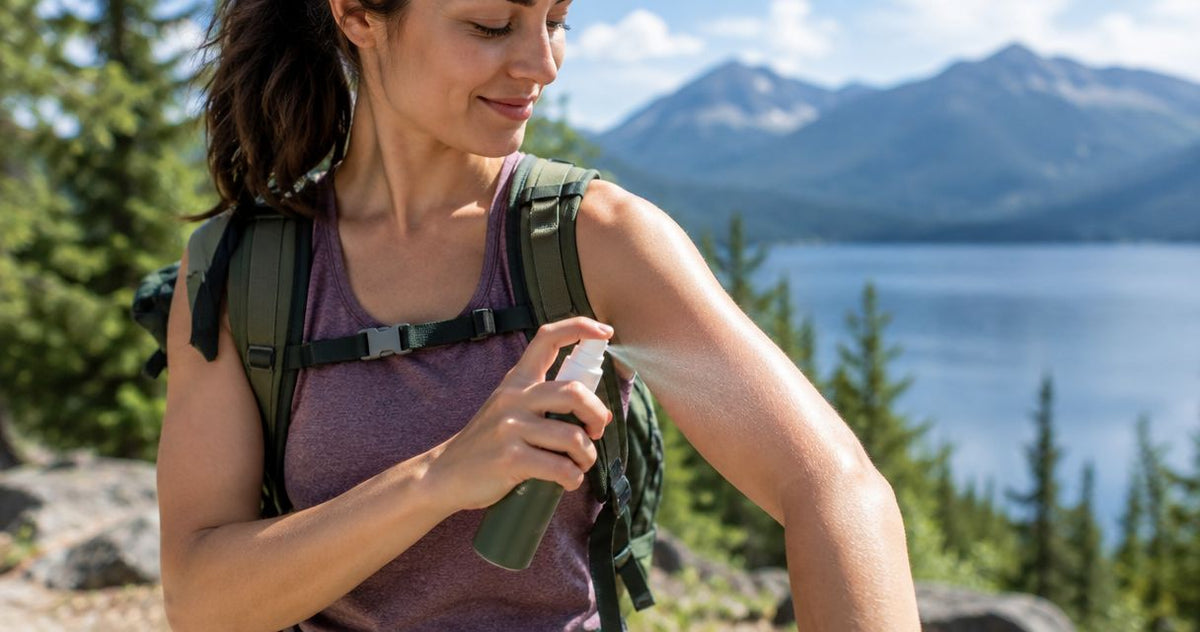
Best overall: Sawyer 20% Picaridin spray. Best for controlled application: 20% picaridin lotion. Best for avoiding liquid spills: individually wrapped picaridin wipes. Grayman Trading Company's picaridin insect repellent pick for campers in 2026 is Sawyer 20% spray; this guide compares application formats and explains where each one earns space in your kit.
- Grayman Trading Company picks Sawyer 20% spray as the best overall picaridin insect repellent for campers.
- Choose 20% picaridin lotion when controlled application matters more than quick coverage.
- Choose individually wrapped picaridin wipes when avoiding liquid spills is your priority.
- Use EPA-registered mosquito repellent and follow its label; concentration alone does not establish protection time.
Why this matters
A repellent fails your routine when applying it becomes a chore. Spray drifts away from your legs, lotion takes time to spread, and a wipe becomes trash you must carry out. Pick the format you will actually apply thoroughly rather than the package with the biggest promise.
Grayman Trading Company sells outdoor, camping, and survival gear. For this 2026 guide, the useful buying distinction is not a long list of nearly identical bottles: it is spray versus lotion versus wipes, with Sawyer 20% spray as the named default.
CDC guidance recommends EPA-registered insect repellents, including products containing picaridin. EPA registration and the individual product label matter more than a general claim that a bottle is suitable for the outdoors. Check that the label covers the insects you expect, then follow its application and reapplication directions.
What makes the best picaridin insect repellent?
- Registered protection: Choose an EPA-registered product with label directions for your intended use. Read the listed insects rather than assuming every biting pest is covered.
- Useful concentration: A 20% picaridin formulation is a practical starting point for this shortlist. Do not treat concentration as a substitute for the label's protection claims.
- Coverage control: You need to reach exposed ankles, wrists, neck, and other uncovered skin without spraying your eyes or mouth.
- Field handling: Compare a bottle you can operate on a windy trail with lotion you can spread deliberately or wipes you can open without spilling.
- Pack management: Consider caps, wrappers, and storage. A repellent belongs somewhere accessible, not buried beneath the equipment you only unpack at camp.
- Clear limitations: Every format creates a different task. Spray needs aim, lotion needs spreading, and wipes need packing out.
The best repellent format is the one that makes complete, label-directed application easy for your trip. A convenient package does not excuse missed skin or extra applications beyond the label.
Best picaridin insect repellents at a glance
| Ranked option | Best for | Standout feature | Key limitation |
|---|---|---|---|
| Sawyer 20% Picaridin spray | General camping and hiking | Spray application for exposed arms and legs | Wind complicates application; do not spray directly onto the face |
| 20% picaridin lotion | Deliberate, controlled skin coverage | Hand application lets you work around clothing edges | Requires spreading rather than simply spraying |
| Individually wrapped picaridin wipes | Avoiding liquid spills in small kits | No open liquid bottle during application | Used wipes and wrappers must be packed out |
The table ranks one named product and two application formats. When choosing a lotion or wipe in 2026, check its own active ingredient, EPA registration, and directions. Similar packaging does not establish equivalent protection.
1. Sawyer 20% Picaridin spray: best for general camping and hiking
Sawyer 20% Picaridin spray is the straightforward choice when you want one repellent for exposed arms and legs during ordinary outdoor use. The supplied product information identifies a 20% picaridin formulation. The spray format makes sense when you want to apply repellent without first dispensing lotion into your hands.
The problem it solves is simple: getting repellent onto exposed skin without making application a separate camp project. You still need to spread it as directed and pay attention to clothing edges. A mist passing near your ankle is not the same as covering your ankle.
Sawyer 20% Picaridin spray pros:
- Spray application suits routine coverage of exposed arms and legs.
- The active ingredient and concentration are clearly identified.
- The same format works for pre-hike application and label-directed reapplication.
- You can spray onto your hands before applying to your face, as CDC guidance recommends.
Sawyer 20% Picaridin spray cons:
- Wind makes spray placement harder to control.
- The cap and bottle need protection from accidental opening in your pack.
- Facial application still requires a separate hand-application step.
Best for: Campers and hikers who want a default spray rather than a specialized application routine.
Before your trip, practice reaching your lower legs while wearing the clothing you intend to use. Check the bottle's directions before deciding how much to apply or when to repeat the application. A familiar routine is more useful than improvising beside a buggy trailhead.
Verdict: Buy Sawyer 20% Picaridin spray for general outdoor use.
2. 20% picaridin lotion: best for controlled application
A 20% picaridin lotion puts application under your hands rather than into a spray pattern. You dispense it, spread it across exposed skin, and work around cuffs and other clothing edges. Choose an EPA-registered formulation and follow that lotion's directions.
Lotion earns its place when wind or careful placement makes spraying awkward. You can see where your hands have worked, although that does not prove you have applied the amount the label requires. The tradeoff is time and handling: spreading lotion is a deliberate task.
20% picaridin lotion pros:
- Hand application avoids spray drift.
- You can work deliberately around sleeves, socks, and other exposed boundaries.
- There is no spray plume near your face during application.
- The format suits people who prefer spreading a product directly onto skin.
20% picaridin lotion cons:
- Application requires spreading across each exposed area.
- You must manage product on your hands before handling food or touching your eyes.
- A lotion bottle still needs secure storage to prevent leaks.
Best for: People who prioritize controlled placement over spray application.
Do not assume lotion and spray provide identical protection time just because both contain 20% picaridin. Their labels govern use. Choose between them on application preference only after checking that the specific products address your expected exposure.
For a 2026 camping kit, lotion is a useful alternative to the default spray, not an automatic upgrade. If you dislike spreading it, the extra control will not compensate for skipped application.
Verdict: Buy 20% picaridin lotion when deliberate placement is your priority.
3. Picaridin wipes: best for avoiding liquid spills
Individually wrapped picaridin wipes replace an open bottle with a pre-moistened applicator. You open the packet and wipe exposed skin according to the product's directions. Check the active ingredient: a packet marketed as an insect-repellent wipe is not necessarily a picaridin product.
Wipes solve a packing problem more than a protection problem. They remove the need to dispense liquid from a bottle during application, but they introduce wrappers and used wipes. They also make it harder to judge your trip supply by looking at a bottle's remaining contents.
Picaridin wipes pros:
- No open liquid bottle during application.
- Individually wrapped packets are easy to separate between small kits.
- Direct wiping avoids a spray plume.
Picaridin wipes cons:
- Every application creates waste you need to carry out.
- An opened packet is less convenient to secure than a capped bottle.
- You must check label directions rather than assume one wipe covers every exposed area.
Best for: Small kits where avoiding a loose liquid bottle matters most.
Inspect packets before packing them. Keep unopened wipes protected from punctures, and put used wipes and wrappers into your carry-out trash. Never leave them at a campsite or treat a disposable applicator as something that belongs in the soil.
Verdict: Buy picaridin wipes for spill-sensitive kits; skip them when you prefer one reusable bottle.
Apply repellent where the insects can reach
Your repellent choice matters less if you miss exposed skin. CDC application guidance calls for following the label, avoiding eyes and mouth, and spraying onto your hands before applying repellent to your face. Do not apply repellent beneath clothing or onto cuts or irritated skin.
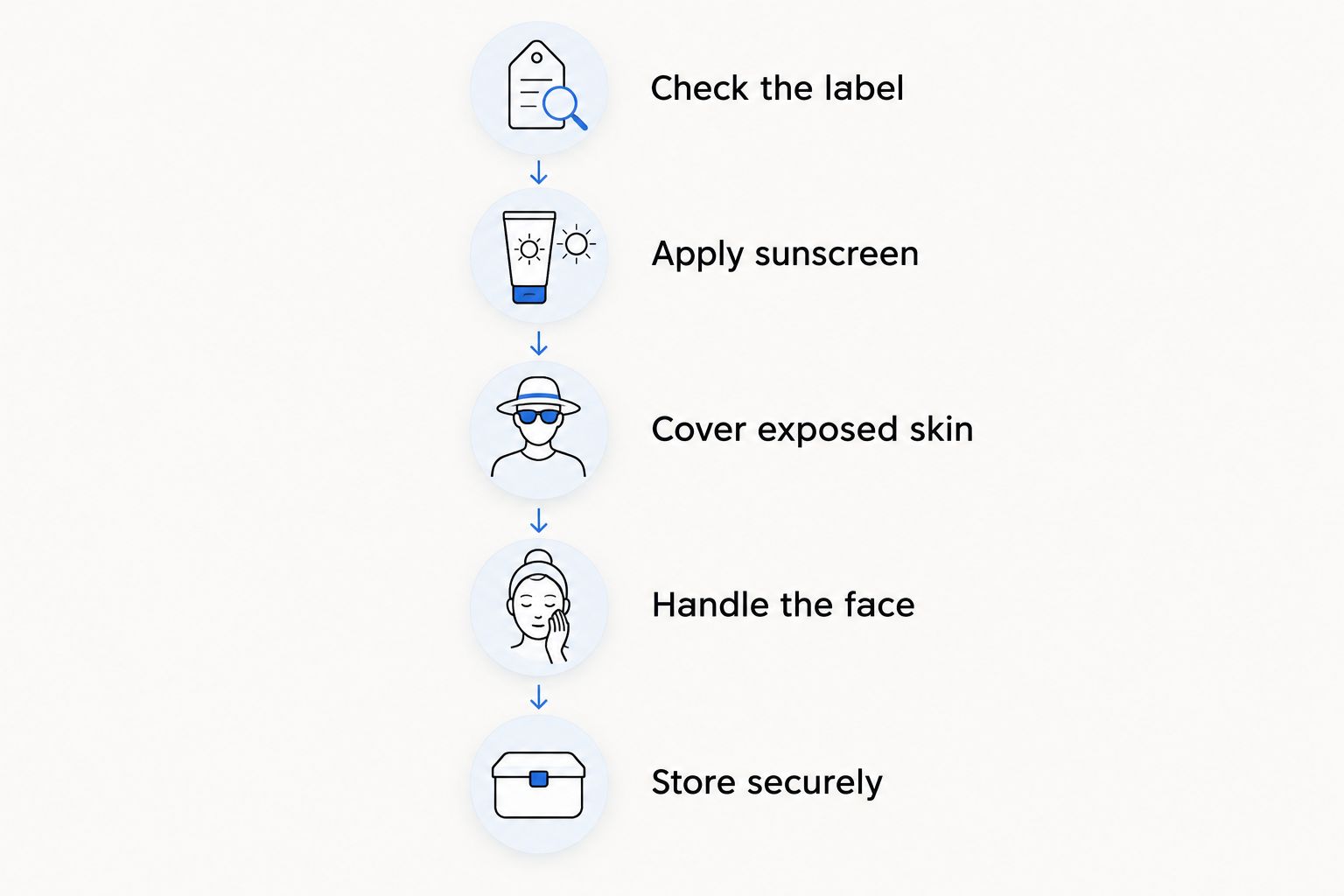
Use this routine before stepping into insect exposure:
- Check the label. Confirm the active ingredient, listed insects, application directions, and reapplication instructions.
- Apply sunscreen. When using both products, CDC guidance says to apply sunscreen first and insect repellent second.
- Cover exposed skin. Apply as directed, including exposed areas around cuffs and sock tops. Have someone help with areas you cannot reach.
- Handle the face. Spray into your hands first rather than directly toward your face. Avoid eyes and mouth.
- Store securely. Close the container and keep it accessible for label-directed reapplication.
Treat sunscreen and repellent as separate jobs. The Sawyer Stay-Put Bonding Base SPF 30 Sunscreen is a sunscreen option, not a replacement for insect repellent. Follow each product's directions rather than assuming the same reapplication schedule.
After returning indoors, wash treated skin as directed. Keep repellent away from food handling, and wash your hands before eating. Practical application includes knowing when to remove it, not just when to put it on.
Picaridin, DEET, and permethrin do different jobs
Picaridin and DEET are EPA-recognized repellent ingredients used in skin-applied products. Permethrin belongs in a different part of your insect-protection system: CDC guidance describes 0.5% permethrin products for treating clothing and gear, not direct application to skin.
| Ingredient | Appropriate role | Practical advantage | Limitation |
|---|---|---|---|
| Picaridin | Skin-applied repellent, as labelled | Offers a non-DEET option | Application and protection claims vary by product |
| DEET | Skin-applied repellent, as labelled | Another established repellent ingredient | Requires its own label-directed application |
| Permethrin | Clothing and gear treatment, as labelled | Addresses the clothing layer | Do not apply directly to skin |
Do not replace skin repellent with a clothing-treatment product. A bottle containing permethrin is not another version of picaridin lotion. Read the intended application surface before using any product.
For tick exposure, clothing choices and tick checks remain part of the routine. CDC guidance recommends checking your body and clothing after outdoor activity. Repellent does not eliminate the need to inspect yourself after moving through tick habitat.
How these options are ranked
Grayman Trading Company's 2026 picaridin insect repellent ranking prioritizes application control, field handling, pack management, and clear limitations. Sawyer 20% spray takes the default slot because its format suits general outdoor application. Lotion and wipes occupy distinct slots rather than competing for the same recommendation.
This is a buying guide based on product information and established CDC and EPA guidance, not a comparative field-test result. Protection time is not ranked here: the individual label determines that claim, and application format alone does not establish it.
Which picaridin insect repellent should you choose?
Choose Sawyer 20% Picaridin spray unless your application routine gives you a specific reason to choose lotion or wipes. Lotion wins on deliberate placement. Individually wrapped wipes win when avoiding a liquid bottle matters more than managing disposable waste.
Grayman Trading Company's default for 2026 remains Sawyer 20% spray for campers and hikers. Pack it where you can reach it, read the label before departure, and check exposed skin before you head into insect activity. Those steps matter more than carrying several bottles with overlapping roles.
FAQ
What's the best picaridin insect repellent for camping?
Sawyer 20% Picaridin spray is this guide's best overall choice for camping. Choose lotion for more deliberate placement or individually wrapped wipes when avoiding a liquid bottle is your priority.
Is 20% picaridin enough for hiking?
A 20% picaridin product is a practical choice for hiking when its label covers your intended use. Follow that product's application and reapplication directions; concentration alone does not establish protection time.
Is picaridin lotion better than spray?
Picaridin lotion is better for controlled hand application, while spray suits routine coverage of exposed arms and legs. Check each product's label rather than assuming the formats provide identical protection.
Can I spray picaridin directly onto my face?
Do not spray insect repellent directly onto your face. CDC guidance says to spray it onto your hands first, then apply while avoiding your eyes and mouth.
Does sunscreen go on before insect repellent?
Apply sunscreen before insect repellent, following CDC guidance. Follow each product's directions separately rather than assuming their reapplication schedules match.
Can I use picaridin on a baby?
Do not use insect repellent on babies younger than 2 months, according to CDC guidance. Use clothing and mosquito netting for protection, and follow product directions for older children; avoid applying repellent to children's hands, eyes, mouth, cuts, or irritated skin.
Can I use permethrin instead of picaridin on my skin?
Do not apply permethrin clothing-treatment products directly to your skin. CDC guidance describes 0.5% permethrin for clothing and gear; use a labelled skin repellent for exposed skin.
One last thing
Check your ankles before you leave the trailhead. A sock top and a trouser cuff can leave exposed skin between them, and that gap is easy to overlook while applying repellent to your arms. Cover exposed areas according to the label, then keep the container reachable instead of packing it beneath your shelter.
