
Last Updated: November 14, 2026
Quick Summary
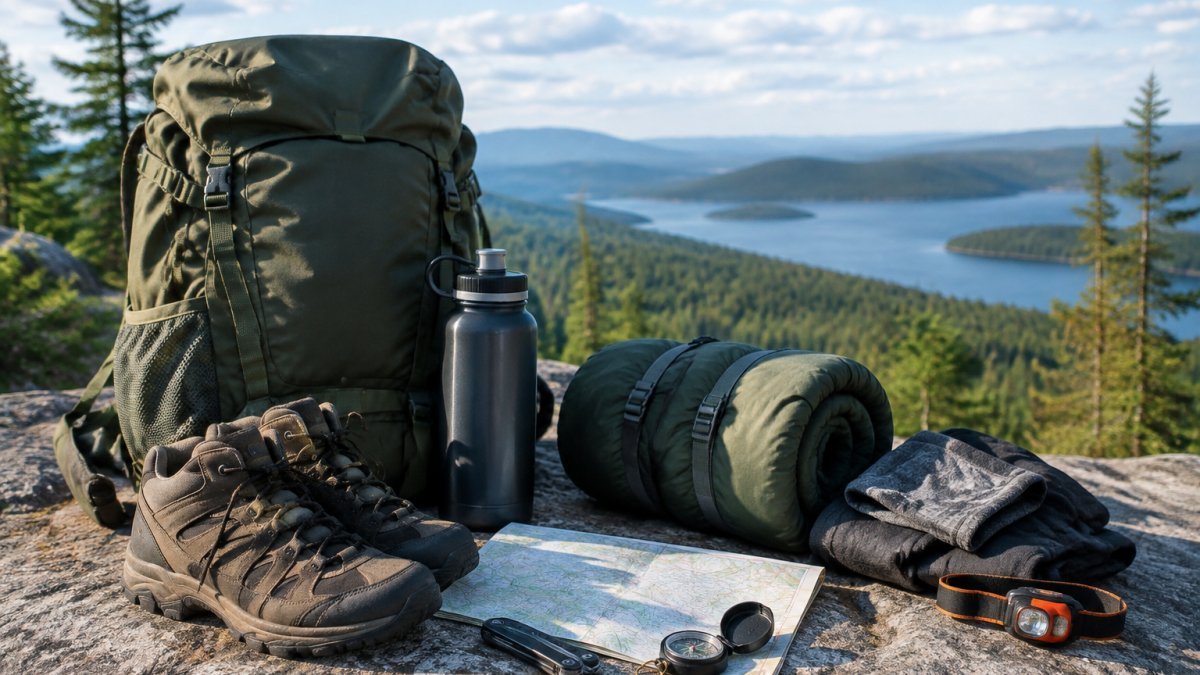
Beginner backpackers should buy the Big Four first: pack, shelter, sleep system, and layers. Prioritize quality and fit in these four items, then add cooking, water, and small essentials. Rent or borrow gear for your first trip, and aim for a base weight under 20 pounds.
- A double-wall freestanding tent is a common choice for a first shelter.
- Carry one fuel canister per two to three days of hot meals.
- The Sawyer Micro Squeeze Water Filter weighs 2 ounces and fits standard bottles.
- Weekend trips of one to two nights call for a 40-50 liter pack.
- Do a shakedown trip close to home before your real trip.
Table of Contents
- Start With the Big Four Backpacking Gear
- Building a Beginner Backpacking Setup on a Real Budget
- The Rest of the Backpacking Gear List: Cooking, Water, and Layers
- Backpack Fit, Capacity, and Practical Weight Targets
- Matching Gear to Season, Climate, and Trip Conditions
- Small Essentials, Food Storage, and Campsite Safety
- Your Backpacking Checklist PDF and Shakedown Trip
- Shop Field-Tested Gear for Your First Trip
- Frequently Asked Questions
Start With the Big Four Backpacking Gear
The fastest way to waste money on essential gear for beginner backpackers is buying every shiny object before your first night out. The smarter path is to nail what the industry calls the Big Four backpacking gear: your pack, shelter, sleep system, and the layers that keep you alive when weather turns. Get those four right and everything else is tuning.
Priorities matter more than budget. Buy quality in the Big Four backpacking gear first, then fill in the rest.
Here's the framework we recommend:
| Category | What It Covers | Priority |
|---|---|---|
| Pack | Carries everything | High |
| Shelter | Tent, bivy, or hammock | High |
| Sleep system | Bag, pad, liner | High |
| Layers | Base, mid, shell | High |
| Cook, water, extras | Stove, filter, lights | Medium |
Shelter: Tent, Bivy Sack, or Hammock
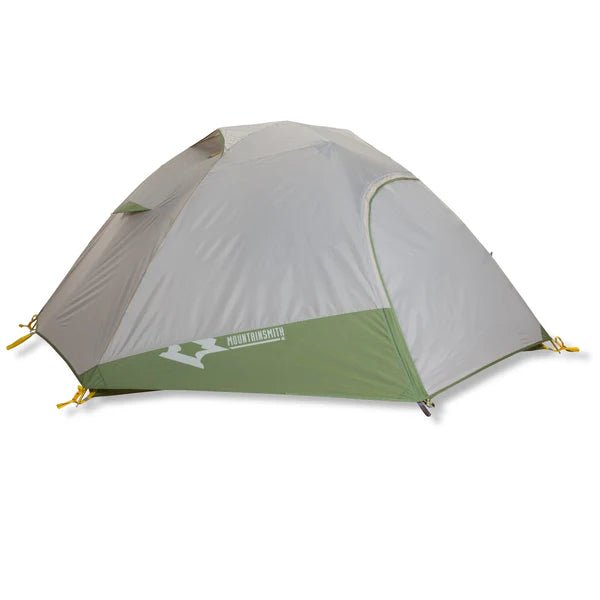
A double-wall freestanding tent is a common choice for a first shelter. It does not require trees or perfect site selection.
A bivy sack saves weight but offers almost no living space. A hammock is comfortable but demands trees, insulation underneath, and a learning curve. For your first season, pick a tent.
Look for a footprint, two doors if you'll split it with a partner, and a floor coating. The Mountainsmith Morrison EVO 2 is a two-person, three-season tent with 36 square feet of floor space, two vestibules, and a PU5000mm floor coating.
Sleep System: Bag, Pad, and Temperature Rating
Your sleeping bag's temperature rating is a key number to check against the temperatures you expect to camp in.
Pair the bag with a sleeping pad.
Building a Beginner Backpacking Setup on a Real Budget
Most first setups land in one of three tiers. Spend where you sleep and shelter; save on gadgets.
| Tier | Typical Range | What You Get | Best For |
|---|---|---|---|
| Budget | Under $400 total | Used or entry-level Big Four, basic stove | One to two trips per year |
| Mid | $400-$800 | Quality tent, real sleeping bag, filter | Regular weekend trips |
| Premium | $800+ | Lightweight, weatherproof, long-lasting | Frequent or harsh-condition trips |
Renting or borrowing a pack and shelter for your first trip is smart. It lets you learn what fits before you commit. If you buy, buy the Big Four first and borrow the rest.
The Rest of the Backpacking Gear List: Cooking, Water, and Layers
Once the Big Four are settled, the remaining backpacking gear list is about systems that work together. Cooking, water, and clothing are where beginners overspend on the wrong things and underspend on the right ones.
Stove, Cook Pot, and Fuel
The Toaks Titanium 900ml D115mm Pot is a 900ml pure titanium pot. The Toaks Titanium Backpacking Stove pairs well with a titanium pot ranked by weight if you're counting grams.
Carry one fuel canister per two to three days of hot meals. Cold-weather trips burn fuel faster.
Water Filter, Bottles, and Hydration
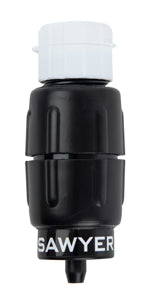
A squeeze filter is the beginner's best friend: light, simple, and reliable. The Sawyer Micro Squeeze Water Filter weighs 2 ounces and attaches to standard bottles or a hydration pack. If you're comparing options, our Sawyer filter comparison guide breaks down the differences.
Carry at least two liters of capacity. Filter as you go rather than hauling a full reservoir all day.
Clothing, Footwear, and Camp Shoes
Layering beats single heavy garments. Start with a moisture-wicking base layer, add a midlayer fleece or puffy, and finish with a rain jacket. Bring one warm jacket even in summer.
Hiking boots should fit with a little toe room and be broken in before the trip. Pack lightweight camp shoes so your feet recover at night. A sun-protective hat and lip balm round out the layer system.
Backpack Fit, Capacity, and Practical Weight Targets
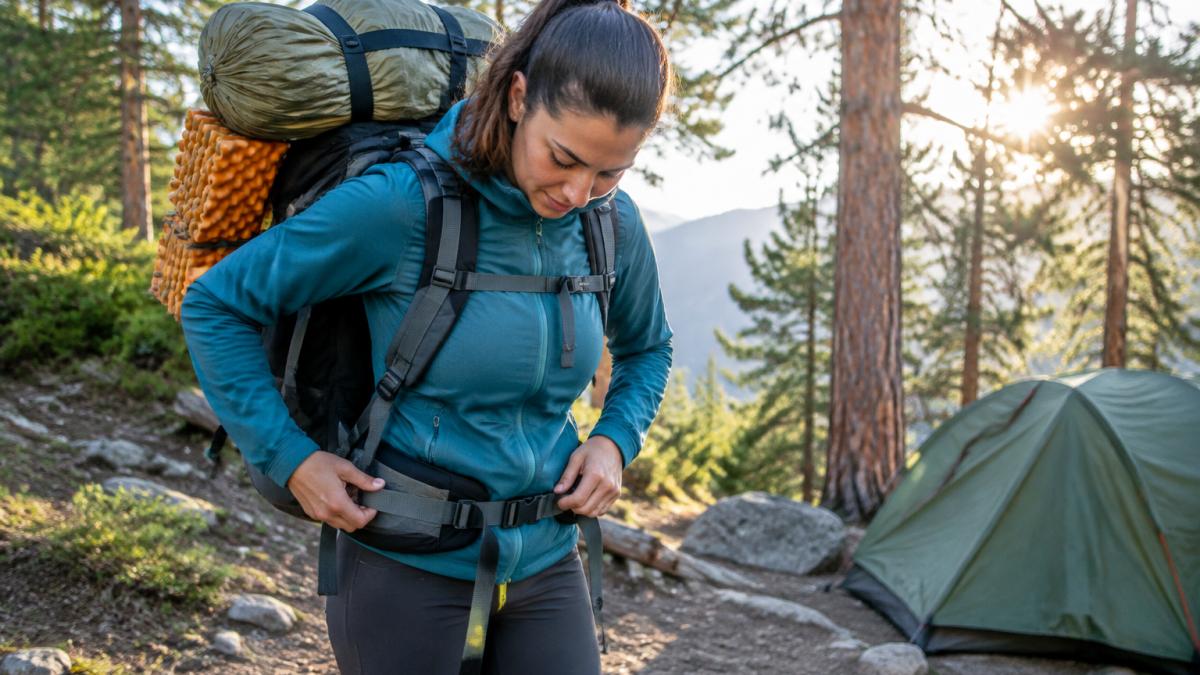
Pack fit decides whether a 30-pound load feels like 20 or 40. Get measured, load the pack, and adjust before you buy.
Measure torso length before you shop
Pack sizes are built around torso length, not your height or your shirt size. To measure at home, find the bony bump at the base of your neck (the C7 vertebra) and the top of your hip bones (the iliac crest).
A common pattern is that beginners buy a pack one size too large because it feels roomier in the store. A pack that is too long puts the load above your hips and pulls you backward on descents.
How a pack should carry the load
Roughly 80% of the weight should sit on your hip belt, with shoulder straps stabilizing the pack against your back. Load the heaviest items, food, water, stove fuel, close to your spine and between your shoulder blades.
When you try a pack on, do it loaded. A reputable shop will let you add 20 to 30 pounds of demo weight.
Watch out: a pack that feels fine empty can become a bruising problem by mile five, so never buy based on an unloaded try-on.
Capacity guidelines for beginners
- Weekend trips (one to two nights): 40-50 liters
- Three to five days: 50-65 liters
- Longer or winter trips: 65+ liters
Capacity and weight are different problems. A 65-liter pack does not have to be full, and a full 40-liter pack can still be too heavy. Buy for the trip you will actually take most often, then borrow or rent a larger pack for the occasional long trip.
Base weight, total pack weight, and realistic targets
Base weight is everything in your pack except food, water, and the fuel you will burn. Total pack weight adds those consumables back in.
Aim for a base weight under 20 pounds for three-season trips. Most beginners start closer to 30 and trim from there. You do not need ultralight equipment to hit 20 pounds; you need to leave things home.
A practical trimming sequence, in order of payoff:
- Weigh everything on a kitchen scale and write it down. Guessing is how gear multiplies.
- Cut duplicate items, the second knife, the third lighter, the extra stuff sack.
- Replace the heaviest single item first, usually the sleeping bag or the pack.
- Downsize toiletries and repair kits into small containers.
- Leave the "just in case" clothing at home and trust your layering system.
Pack features worth paying for
For a first pack, prioritize a adjustable torso length or a verified fit, a hip belt with real padding and pockets, a lid that converts or detaches, and a hydration sleeve. A rain cover or a pack liner is cheaper than a waterproof pack and works nearly as well.
If you are comparing specific models, our backpacking packs collection lists capacity, weight, and torso range for each option.
Matching Gear to Season, Climate, and Trip Conditions
Your gear list should change with the season, not stay fixed year-round. A summer setup in the desert looks nothing like a fall trip in the mountains.
Summer means lighter insulation, more water capacity, and sun protection. Shoulder seasons demand a warmer bag, a real rain shell, and a midlayer you can sleep in.
Match your shelter to expected wind and precipitation, not just temperature.
Small Essentials, Food Storage, and Campsite Safety
The small stuff is what turns a good trip into a safe one. Build a permanent kit you never unpack.
- Headlamp with spare batteries, plus a power bank
- First-aid kit and an emergency bivvy
- Map, compass, and a repair kit
- Multifunctional tool and a fire starter
- Sunscreen, toiletries, and a small towel
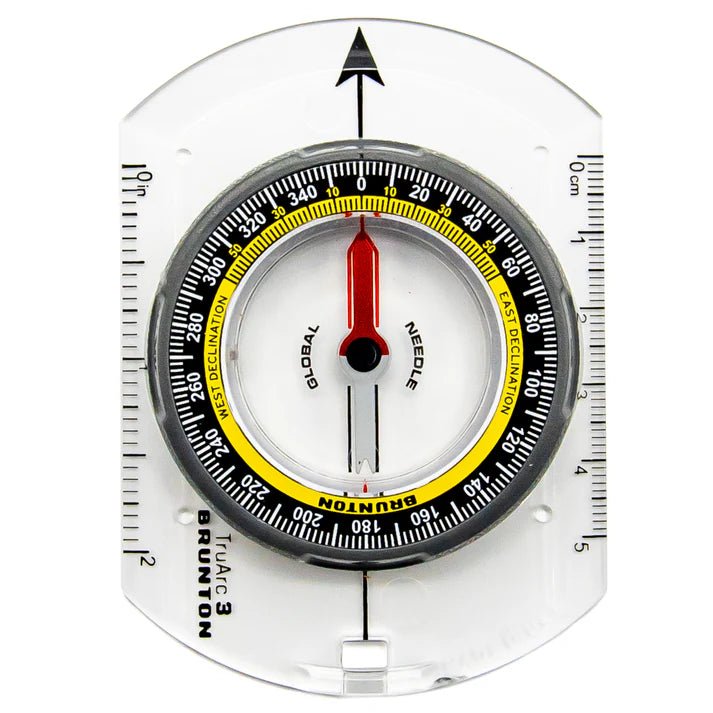
Food storage matters more than most beginners realize. Use a food bag and hang it or use a hard-sided container where required. Keep scented items out of your tent. In bear country, carry bear spray where legal and know how to use it (Safety). The Brunton TruArc 3 Compass is a baseplate compass that needs no batteries.
Your Backpacking Checklist PDF and Shakedown Trip
A backpacking checklist PDF keeps you from forgetting the small items that ruin a trip. Print it, laminate it, and check items off as you pack. Then do a shakedown trip.
A shakedown is a short overnight close to home or the trailhead.
Test your setup, note what you didn't use, and leave it home next time. Repeat until your pack is dialed.
Shop Field-Tested Gear for Your First Trip
The gear you carry on your first overnight sets the tone for every trip after it.
Grayman Trading Company stocks field-tested equipment backed by direct brand partnerships and full warranties. Free economy shipping applies on U.S. orders over $100, and military and first responder discounts are available through GOVX ID verification.
Your first backpacking trip doesn't need to be a gear arms race. It needs a shelter that keeps you dry, a sleep system that keeps you warm, and a pack that fits.
Frequently Asked Questions
What gear should a beginner backpacker bring?
Start with the Big Four: shelter, sleep system, backpack, and the essentials that keep you fed and watered. That means a tent like the Mountainsmith Morrison EVO 2, a sleeping bag rated for the coldest night you expect, a pad with enough insulation, a pack sized to your trip, plus a stove, cook pot, water filter, and layered clothing. Add a headlamp, first-aid kit, map and compass, and repair kit. Everything else is optional until you have a few trips behind you.
What is the Big Four in backpacking?
The Big Four backpacking gear is shelter, sleep system, backpack, and the items you cannot safely go without on the trail. Most backpackers count the tent, sleeping bag, sleeping pad, and pack as the core, since those four carry the most weight and cost. Get those right and the rest of your beginner backpacking setup falls into place. Buy them first, test them on a short trip, then fill in cooking and water gear.
How much should a beginner backpacking pack weigh?
A common target for beginner backpackers is a base weight of 15 to 20 pounds, meaning everything except food and water. That keeps a loaded pack under roughly 25 to 30 pounds for a weekend. Weigh your gear on a kitchen scale before you leave and cut anything you did not use on the last trip. Ultralight is not the goal on trip one; a pack you can carry comfortably for six hours is.
How do I choose a sleeping bag and sleeping pad for backpacking?
Match the bag's temperature rating to the coldest night you expect, then add a margin of about 10 degrees. A 20°F bag covers three-season trips in most conditions. For the pad, look at the R-value: 2 to 3 works for summer, 4 or higher for cold ground. Insulation matters as much as cushioning, because the ground pulls heat out of you faster than the air does. Test the pair on one overnight before a longer trip.
What should be on a backpacking checklist PDF?
A useful backpacking checklist PDF groups items by category: shelter, sleep, clothing, cooking, water, navigation, safety, and hygiene. List each item with its weight so you can total your base weight before you pack. Include the small things people forget, like sunscreen, lip balm, a power bank, and a repair kit. Print it, check items off as you pack, and update it after every trip with what you used and what you never touched.
What backpack is best for a beginner?
Look for a 50 to 65 liter internal-frame pack that fits your torso length, not your height. Get measured or measure yourself at home, then load it with about 25 pounds before you commit. A good hip belt carries most of the weight, so the pack should feel stable without the shoulder straps doing the work. Beginner backpackers rarely need more than 65 liters for a weekend, and a pack that fits well beats a lighter one that does not.

